Bystander Effect at Work: Why I Said No to a Colleague Who Needed Me
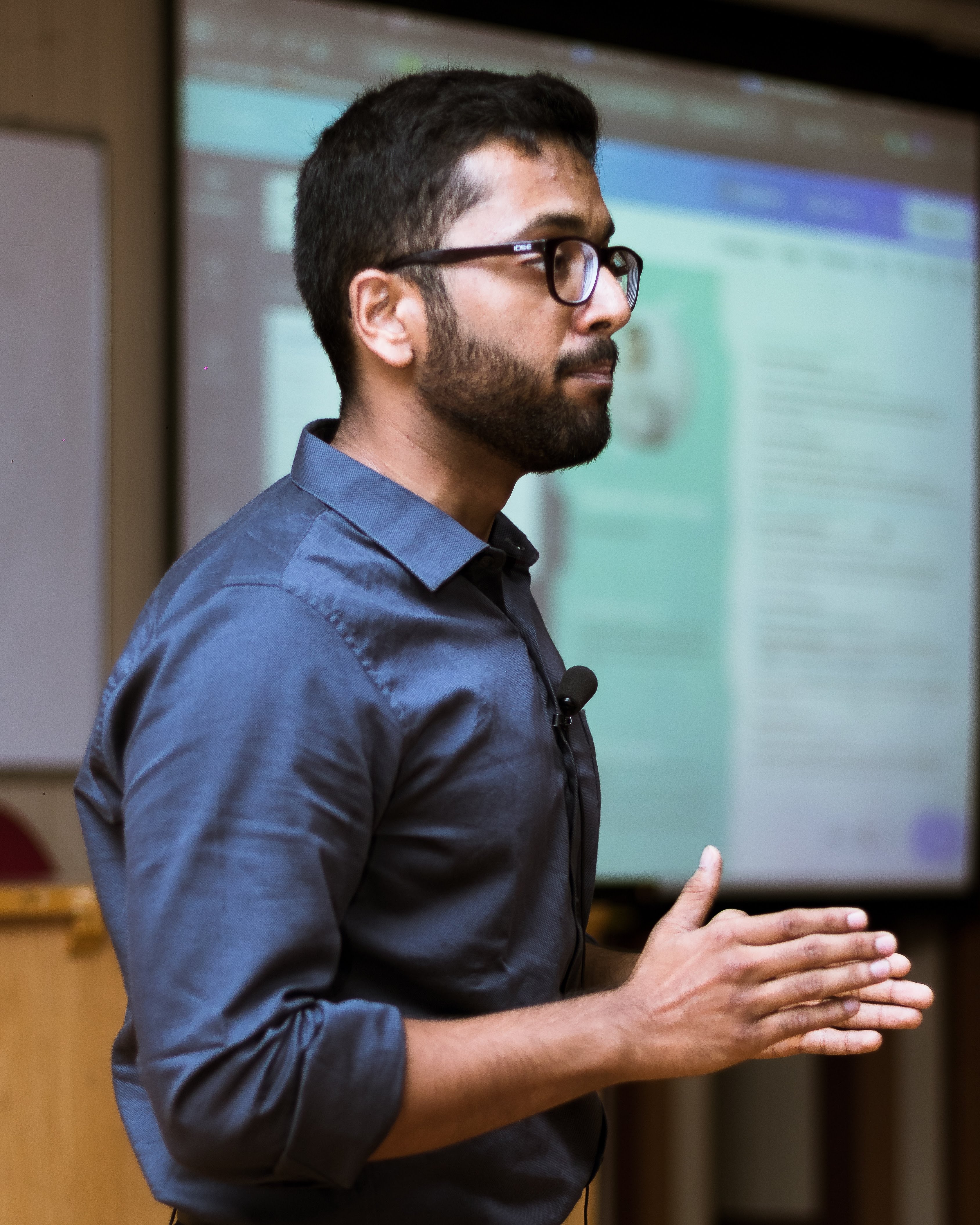
Why the most useful thing I did for a colleague was say no, and what it taught me about helping anyone.

Everyone warns you about the bystander effect.
Nobody warns you about its twin.
You know the story. Someone needs help in a crowded place, dozens of people see it, and nobody moves, because everyone assumes someone else will. Psychologists call it the bystander effect. The advice that follows is always the same: don't be that person. Step in.
I agree with that. Mostly.
But after nearly seven years in security operations, years of teaching engineering students, and many conversations with professionals trying to grow, I have seen the other side too. The person who steps in every single time. Who helps without asking what the help is for. And who, without meaning to, leaves the other person weaker than before.
What the bystander effect looks like at work
The bystander effect is not only about strangers on a street. It shows up in your office every week.
The group email with fifteen people in CC where nobody replies. The meeting where everyone sees the risk in the plan and nobody says it. The teammate who is clearly struggling, and the whole team quietly decides it is the manager's job to notice.
The technical name for this is diffusion of responsibility. The more people who can act, the less any one person feels they must.
In a security operations center, we learn this the hard way. An alert that everyone can see is an alert nobody owns. So the fix is not "the team will handle it." The fix is one name against every alert. Shared ownership is no ownership.
Let me ask you a few questions.
How many times have you seen a problem in a group chat and waited for someone else to respond first?
Have you ever watched a colleague struggle and told yourself it was not your place?
If you answered yes, you are normal. And you are part of the problem this post is about. But only half of it.
My unpopular opinion: "always help" is bad advice
Here is where I part ways with most of what is written about this topic.
The cure for the bystander effect is not "always help." The cure is to own the outcome. And owning the outcome sometimes means saying no.
We treat helping as automatically good. It is not. Help that removes the need for someone to think, learn or take responsibility is not help. It is a workaround. And anyone who has worked in security knows what a workaround does. It hides the vulnerability. It does not fix it.
The bystander does nothing and feels bad. The blind helper does everything and feels good. Both of them have stopped thinking about what the other person actually needs.
The colleague I refused to help
A few years ago, a colleague at the office came to me for help. They had to answer a set of questions for a whiteboard session, and they wanted me to help them prepare the answers.
I had done this for them once before. I helped, they cleared it, and I felt good about it.
This time I said no.
Not because I was busy. Not because I did not like them. I said no because I had watched what happened after the first time. They had stopped preparing. My answers had become their preparation. Whenever a question came up, the plan was no longer "let me figure this out." It was "let me ask Sarthak."
The first time, I was helping. The second time, I would have been building a dependency.
From the outside, saying no looked exactly like the bystander effect. A senior person who could help and chose not to. But the reason was the opposite. I was not assuming someone else would handle it. I was refusing to keep handling something that was theirs to handle.₹₹
The takeaway: Give someone the answer once. After that, give them the method, not the answer. If they don't want the method, they did not really want help. They wanted a shortcut.
The money on the road

The second moment is one most of us in India have lived through.
You are at a signal or walking on a road, and someone asks you for help. You give money. Later, you see that money go towards something that has nothing to do with the need you were told about.
Let me be careful here. Many people who ask for help on our roads are in real need, and I am not saying you should stop giving. What I am saying is that the moment taught me something uncomfortable about myself.
When I handed over money, I was not really solving their problem. I was solving mine. The discomfort of being asked went away the moment I gave. Ten seconds, a few rupees, and I could walk on feeling like a good person.
That is not help. That is buying relief.
The takeaway: Give to the need, not to the request. If someone says they are hungry, food meets the need. If a junior says they are stuck, sitting with them for twenty minutes meets the need. Cash and copied answers meet the request. Sometimes those are the same thing. Often they are not.
The one question I ask before helping now
Both stories led me to one test. Before I help anyone, a student, a team member, a stranger, I ask:
What will this person be able to do after my help that they could not do before?
If the answer is "something real", I help, fully and without making them feel small for asking.
If the answer is "nothing, they will just need me again tomorrow", I change the help. I teach
instead of answering. I give time instead of money. Or I say no, and I say why.
That last part matters. A silent no looks like the bystander effect and feels like it to the other person. A no with a reason is ownership. It says: I see you, I care what happens to you, and that is exactly why I am not doing this for you.
A few practical ways to apply this:
When a teammate asks the same question twice, answer the second time with a question back. "What did you try?"
When you refuse, offer something smaller and harder. A resource, a method, thirty minutes on Friday.
When you feel the urge to help just to make the awkwardness go away, pause. That urge is about you.
When you are the one asking, ask for the method, not the answer. Nobody can say no to that.
The part I am still not sure about
I would love to tell you that saying no to my colleague felt wise. It did not.
It felt cold. For a while I wondered whether I had really made a principled call, or whether I had just found a respectable reason to avoid the effort.
That is the honest risk with everything I have written here. "I don't want to create dependency" can become a convenient excuse for an ordinary bystander. The line between discernment and indifference is thin, and I am not sure I always stay on the right side of it.
The only check I have found is this. If I say no, I must offer something else. If I am not willing to offer anything at all, then it was never about their growth. It was about my comfort.
The question that replaces "should I help?"
The crowd that walks past and the helper who never asks why have one thing in common.
Neither of them is really thinking about the other person.
So the next time someone asks you for help, don't ask yourself "should I help?" That question only has two answers, and both can be lazy.
Ask this instead: what will they be able to do tomorrow because of me today?
If you can't answer it, you're not ready to help yet. And you're not allowed to walk away either.

If this made you think of someone you've been helping the wrong way, or someone you walked past, I want to hear it. Tell me in the comments: when was the last time you said no to help someone grow? And if you want more conversations like this, The Goyal Show is where I have them.

Comments